
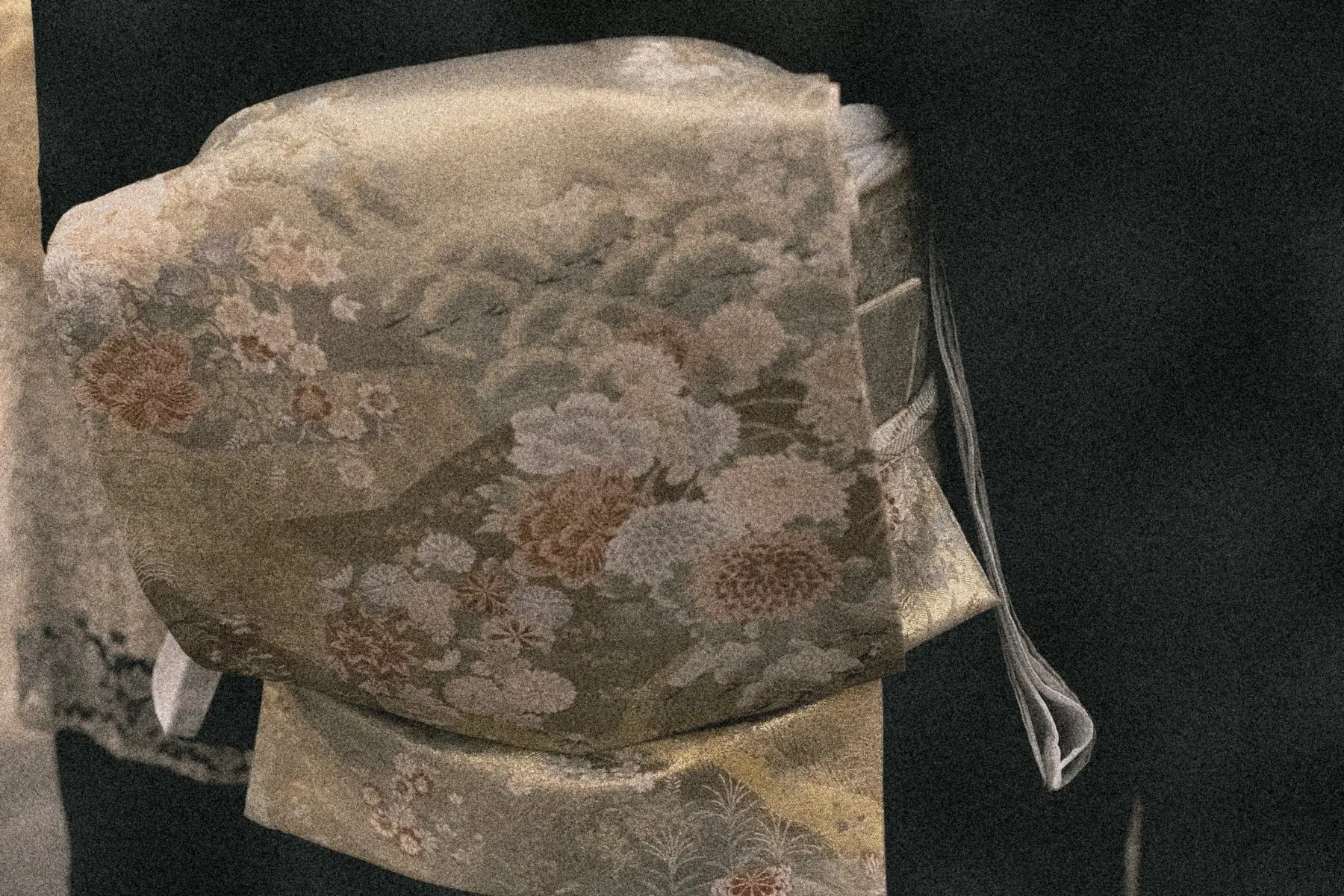
Kimono Kura
52 years in a Kyoto shop. 300 pieces left in boxes.
- location
- Kyoto & Tokyo, Japan
- programme
- Meridian
- result
- 4.2× monthly orders
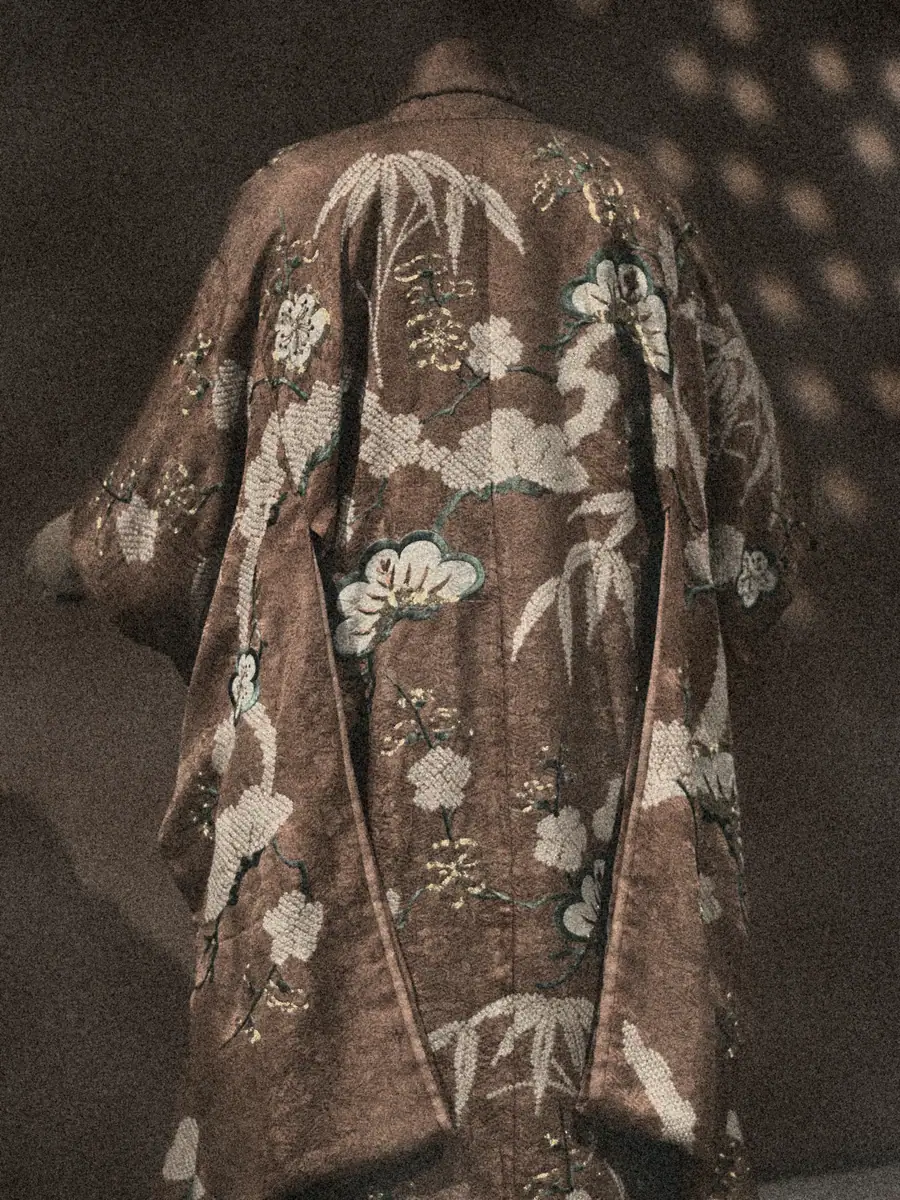
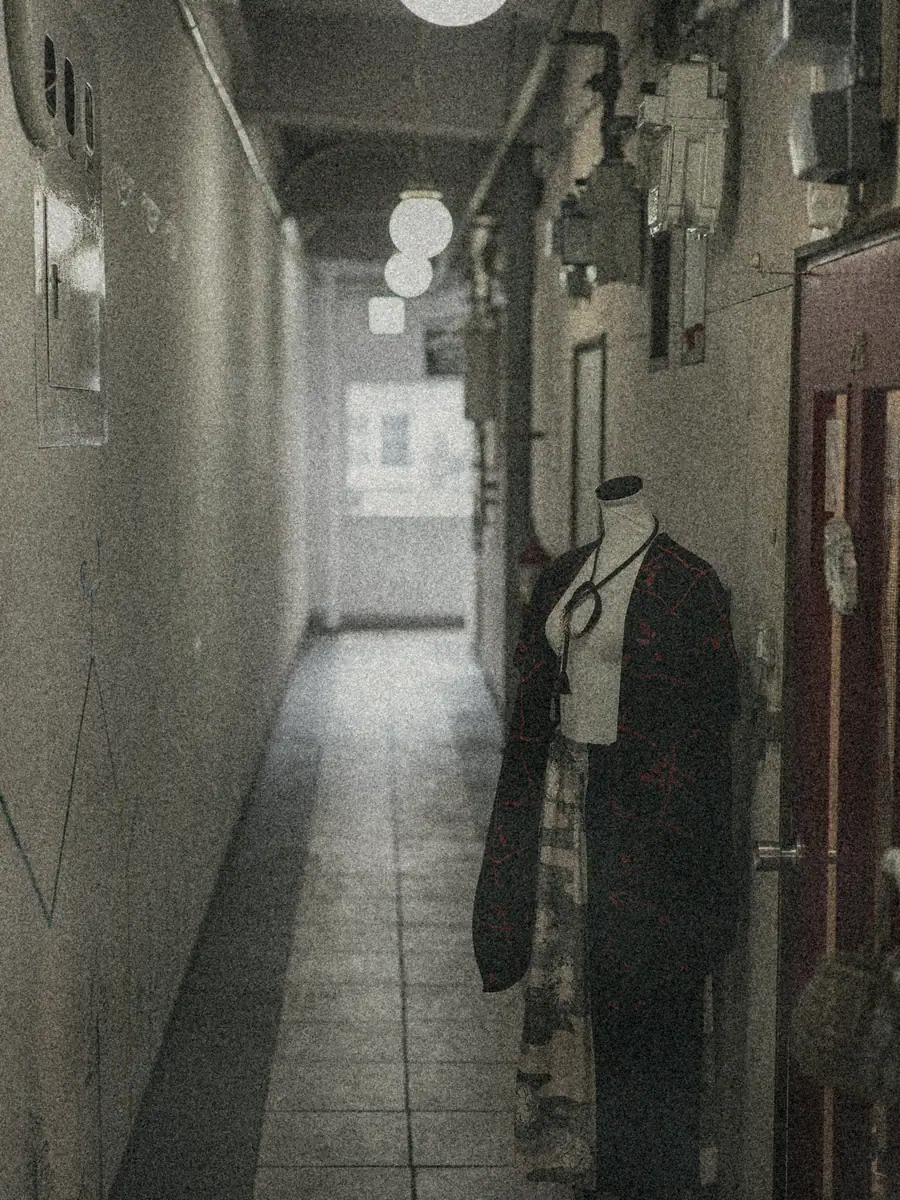
Aiko’s grandmother ran a kimono shop in Kyoto for 52 years. When it closed last spring, Aiko took the 300 pieces that were left online, photographing them in her Tokyo apartment on weekends. For two months, nobody bought anything. She posted prices like every other secondhand kimono seller, and her listings looked just like theirs. Her videos stalled at around 500 views.

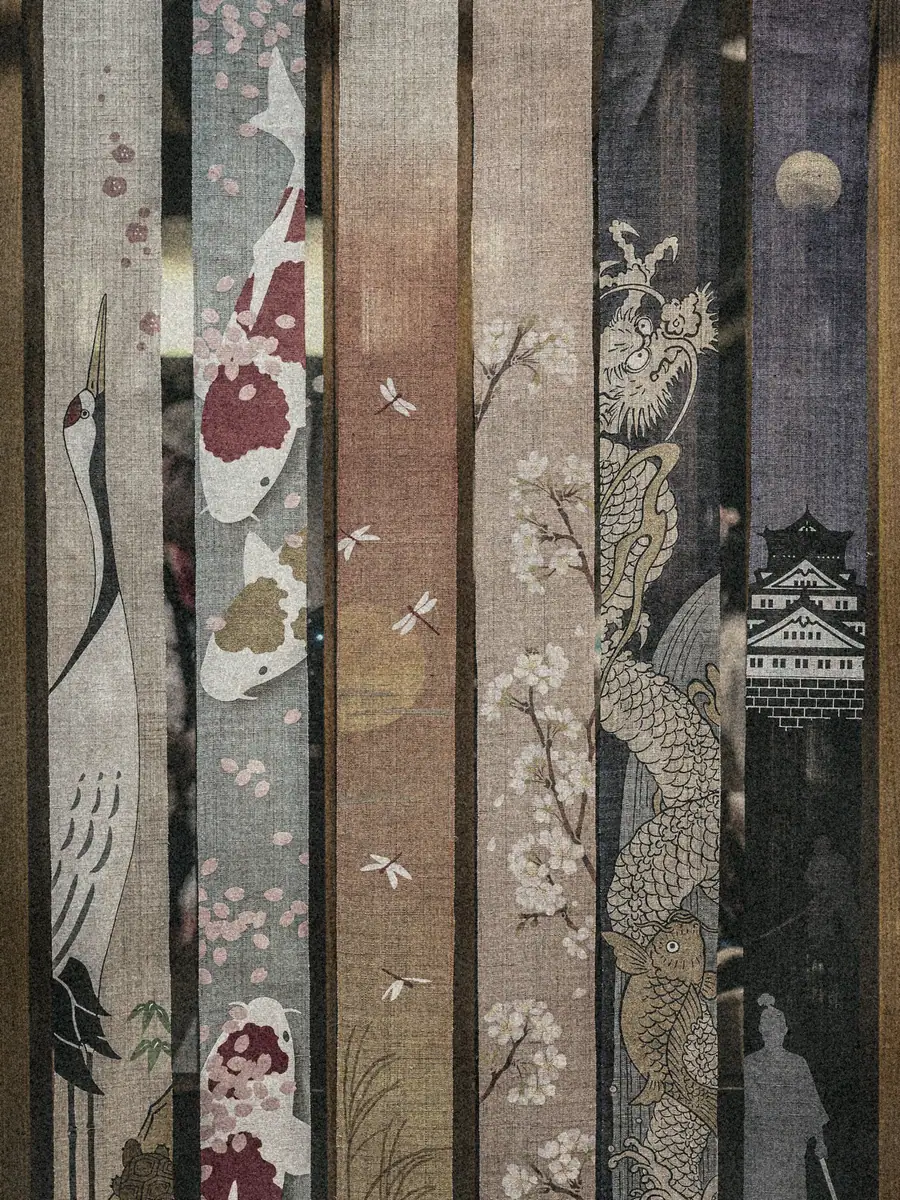
“Kimono are only for ceremonies.”
Her customers believed this before they ever found her store. So Aiko stopped selling kimono and started telling their stories.
the script, episode 1
Hook
“My grandmother ran a kimono shop in Kyoto for 52 years. Last spring, she closed the doors for good, and I took everything that was left online.”
How Meridian shaped it: A real moment in under three seconds: 52 years, a shop closing, a big choice. It opens on a person and a place, not on a product.
Setup
“I grew up in that shop, folding obi after school and listening to her talk to customers about fabric like it was family. But I never thought it would be my life. I moved to Tokyo, got an office job, and like most people my age, I only ever wore a kimono at weddings.”
How Meridian shaped it: She never planned this. Folding obi after school, an office job in Tokyo, kimono only at weddings: the viewer is her.
Rising action
“When she told me she was closing, I couldn’t let 300 pieces of her life’s work sit in boxes. So I started photographing them in my apartment on weekends and listing them online. At first, nobody bought anything. People my age thought kimono were expensive, complicated, and only for ceremonies. So I stopped posting prices and started posting stories: who wove each fabric, what the pattern meant, and how my grandmother would have worn it on an ordinary Tuesday.”
How Meridian shaped it: “But” and “so” drive it. Nobody bought, so she changed what she posted. Switching from prices to stories is her strategy, told as a story.
Climax
“Three months later, a customer in Osaka sent me a photo. She had worn one of my grandmother’s kimono to her own grandmother’s 90th birthday, and she said it was the first time she’d ever felt like she belonged in one. I showed my grandmother the photo, and she held my phone for a long time without saying anything. That was the moment I knew this was no longer just clearing out a shop.”
How Meridian shaped it: One real scene: a stranger’s photo, and her grandmother holding the phone without saying a word. Not a list of sales.
Resolution
“So here I am, keeping her shop alive, one piece at a time, for people who never thought kimono were meant for them. I don’t know where this will go. But I do know this: these clothes were never meant to stay in boxes. They were meant to be worn. Follow along, and I’ll show you every piece before it finds its person.”
How Meridian shaped it: Where she is now, a line only she could say, and a reason to come back for every new piece.
- 4.2×
- monthly orders in 4 months
- 390K+
- views on one video
- 1.1K → 13.4K
- followers
By episode 4
The audience was rooting for the grandmother’s shop to live on. When Aiko opened a waitlist for the next 40 pieces, it filled in 48 hours. Buying one felt like carrying on the story, not shopping.